
Flora Materials joined researchers, engineers and industry leaders at The Minerals, Metals & Materials Society’s (TMS) 2026 annual meeting and exhibition. It was an opportunity to share our latest work and reflect on what it takes to move material innovation from research into real-world application.
As part of the Biosustainable Materials for a Circular Economy symposium, founder Natalie York and materials scientist Jeffrey Bates presented Flora’s work on a bio-based composite flooring system designed with circularity from the start. This work was developed in partnership with the U.S. Army Engineer Research and Development Center (ERDC).
The research centered on a core challenge in the building materials industry:
How do we rethink conventional flooring systems without inheriting the end-of-life limitations that come with them?
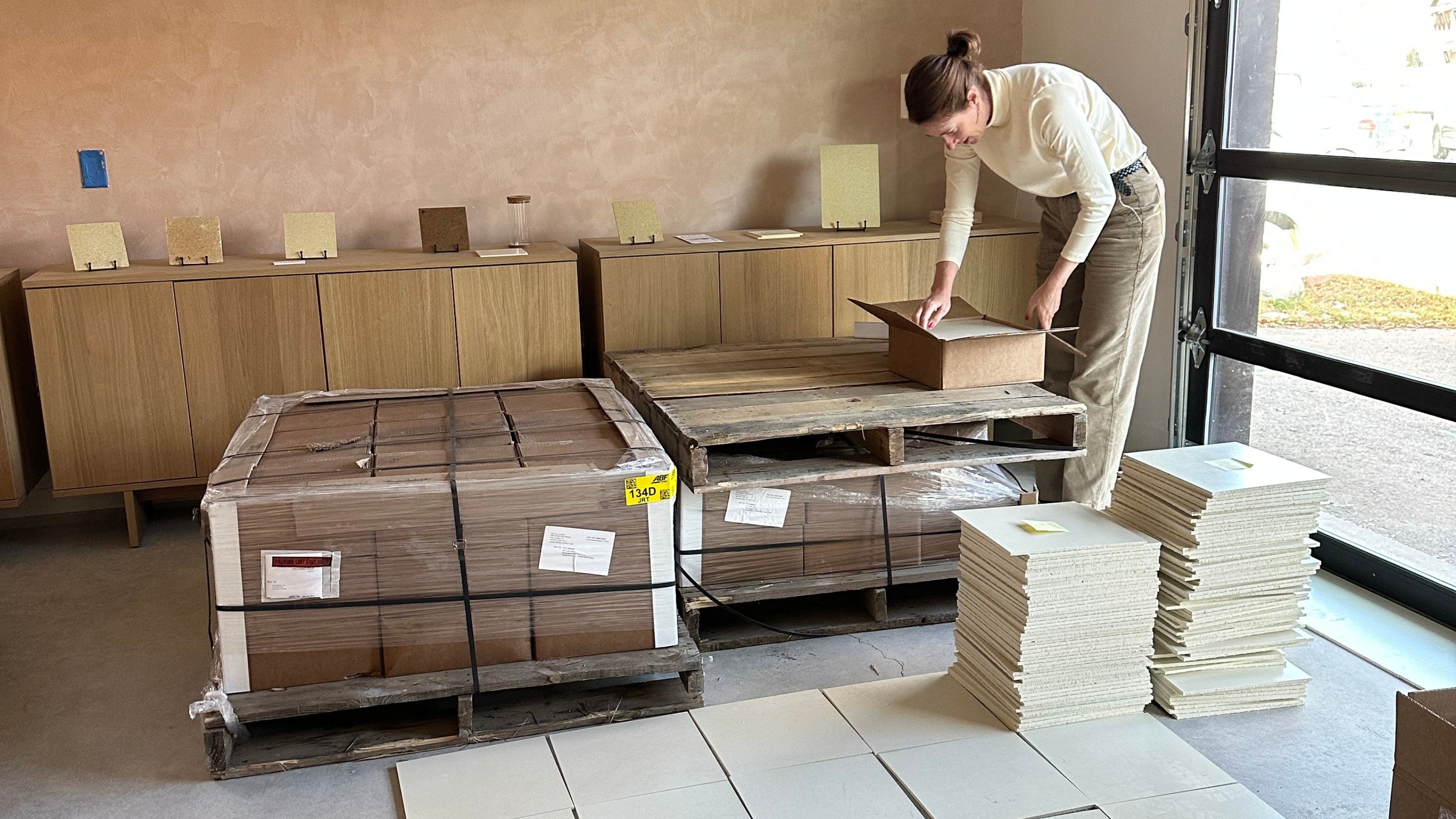
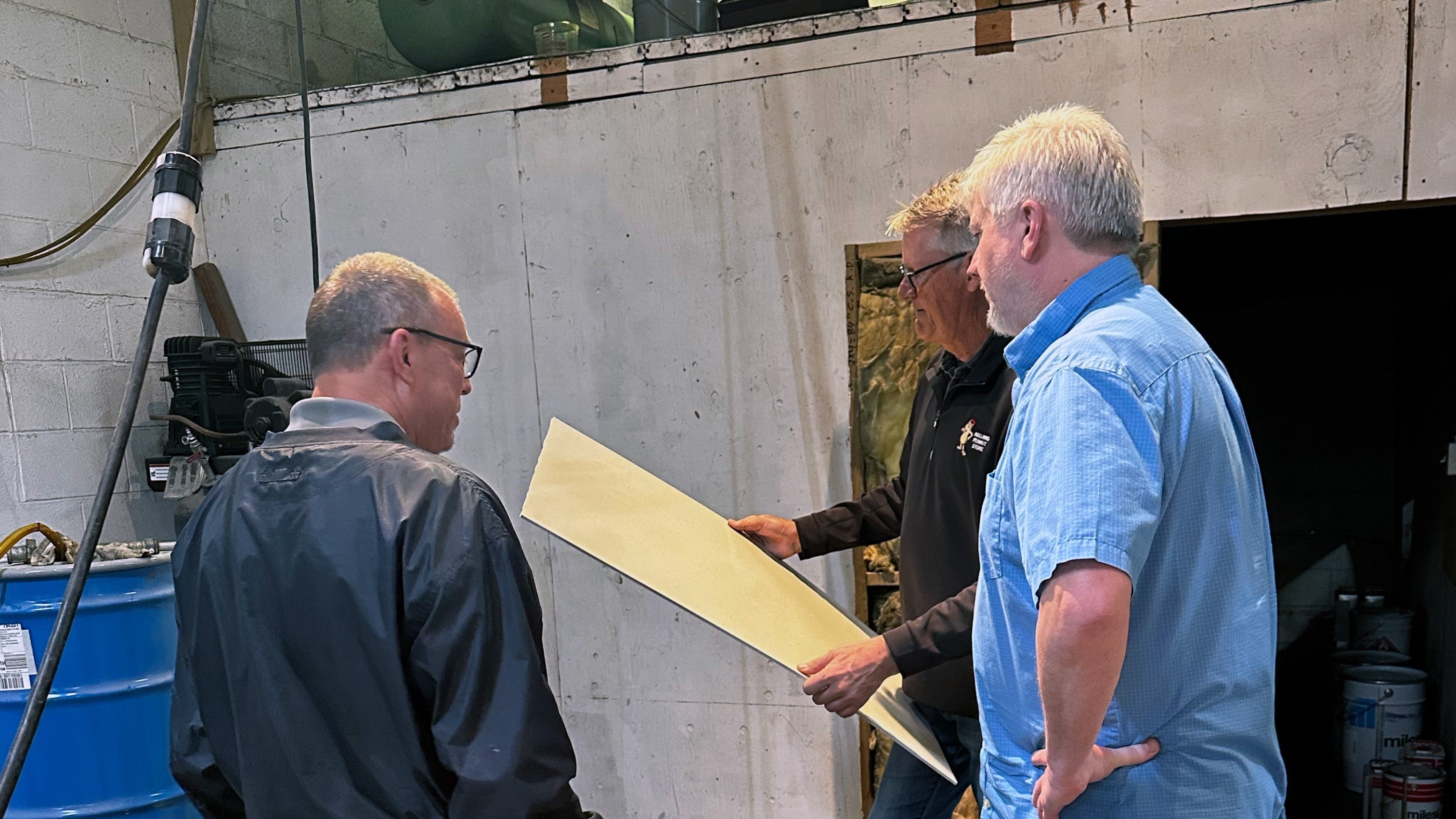
At Flora Materials, that work has meant redesigning both polyurethane chemistry and filler systems to develop a flooring composite with more than 91% biobased content, without compromising the durability required in architectural applications. It has also meant validating performance through mechanical, thermal and biological studies to ensure the material can meet real-world demands.
Presenting at TMS was a meaningful opportunity to share Flora Materials’ work with the broader materials science community and reflect on the progress made since research began in 2021.
The conference also highlighted just how much momentum is building across the bio-based materials space. There is no shortage of new ideas, new chemistries, or new technologies in development. TMS brought many of them into one place, alongside a new generation of scientists and researchers pushing the field forward.
At the same time, it served as a reminder of how difficult it is to move new ideas beyond research and into something tangible. That gap is often referred to as the “innovation valley of death” — the space between discovery and adoption, where many ideas stall before they reach commercial reality.
It also reinforced the importance of translating innovation into products that can actually be specified, manufactured and used. While research continues to advance rapidly, the ability to bring those ideas into real-world applications remains a critical challenge, and an area where companies like Flora Materials play an important role.
In architecture, ideas are constantly imagined, tested and refined until they can exist in the real world. Our team’s background in architecture provides a unique advantage in how Flora translates advanced material science into a product designed for real-world use.
That experience matters, because materials innovation is not only about developing something novel. It is about developing something that can perform, scale and fit within the realities of the built environment.
The conversations at TMS reinforced a few ideas that continue to guide Flora’s work: circularity has to begin at the material level, end-of-life needs to be part of the design process from the start, and bio-based materials have to meet the same performance expectations as conventional options.
Thank you to everyone in attendance for the thoughtful questions and dialogue. It was great to connect with so many innovative minds and exchange ideas for how we continue shaping the next generation of building materials.
Flora Materials would also like to acknowledge its partners at the U.S. Army Engineer Research and Development Center (ERDC), including contracting officer Travis Thornell and TPOC Mine Ucak-Astarlioglu, for their support and collaboration on this work.

Leave a comment
This site is protected by hCaptcha and the hCaptcha Privacy Policy and Terms of Service apply.